

Video-to-Motion 2.0 improves motion data, adds finger tracking to every capture, and is 3x faster than before.
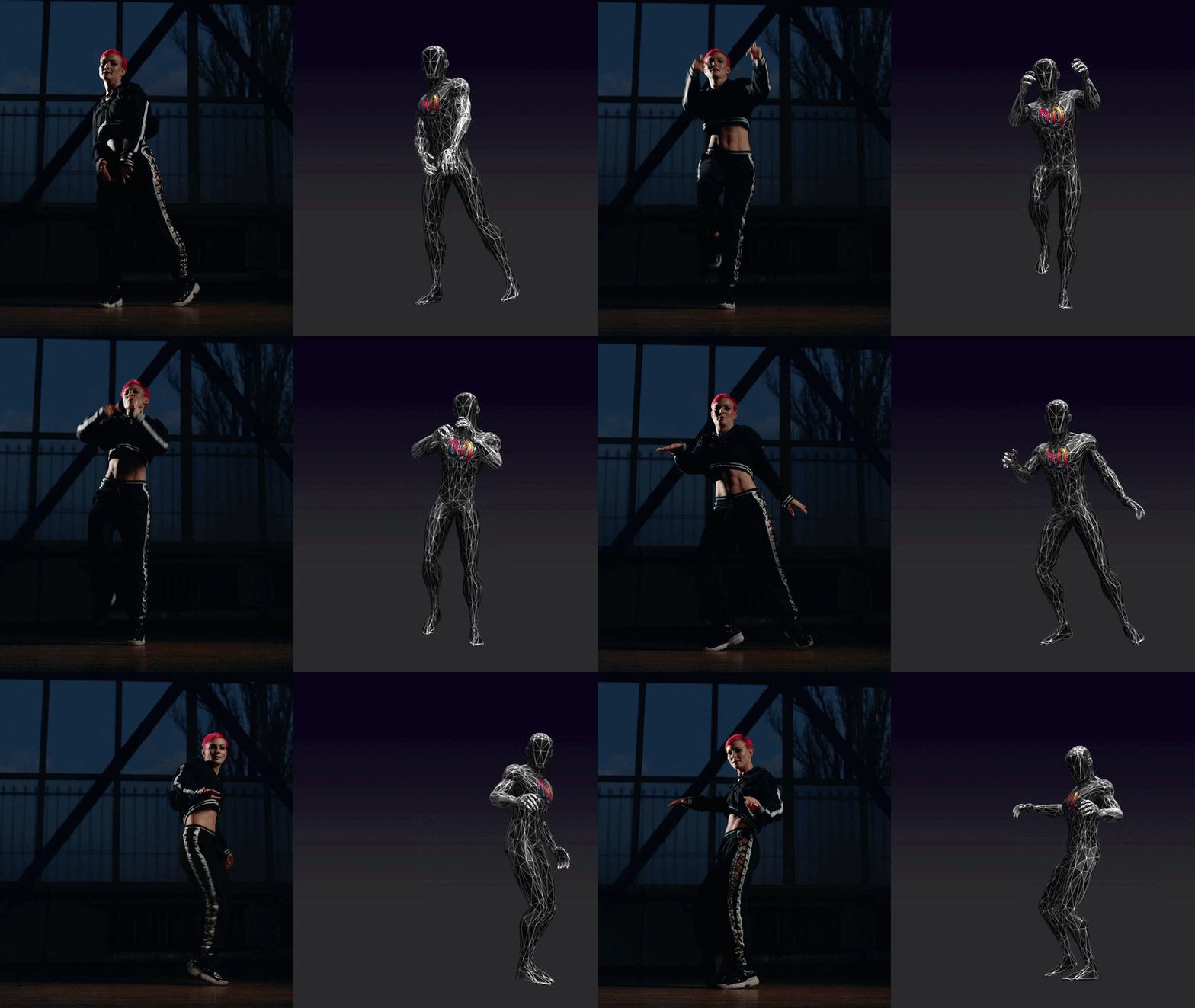
Today we're launching Video-to-Motion 2.0 — a major upgrade to how you turn video reference into production-ready motion data. The new model delivers cleaner full-body capture, adds finger tracking to every capture, and generates motion three times faster than version 1.0.
If you've used Video-to-Motion before, you know the core idea: upload a video clip, get back clean motion data you can apply to your characters. 2.0 makes that pipeline significantly better across the board. Get started with a video now.
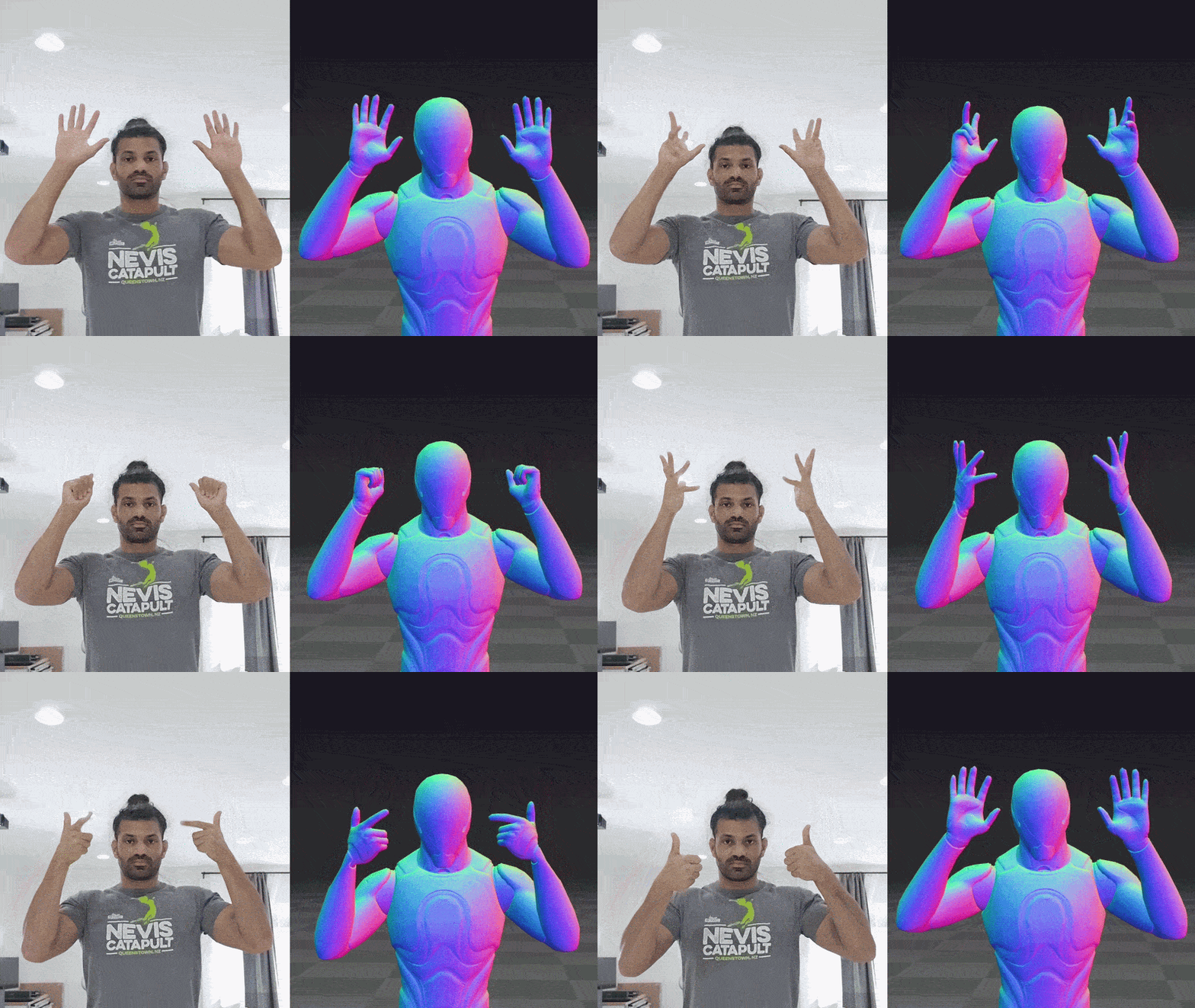
The biggest addition is hand and finger motion. Every capture now includes detailed finger data by default. The full-body quality has also improved substantially, with smoother joint rotations and fewer artifacts in fast or occluded movements.
Speed matters when you're iterating. Video-to-Motion 2.0 processes a six-second video into motion data in under a minute — over three times faster than video-to-motion 1.0. That means less waiting and more time spent actually working with your animation.
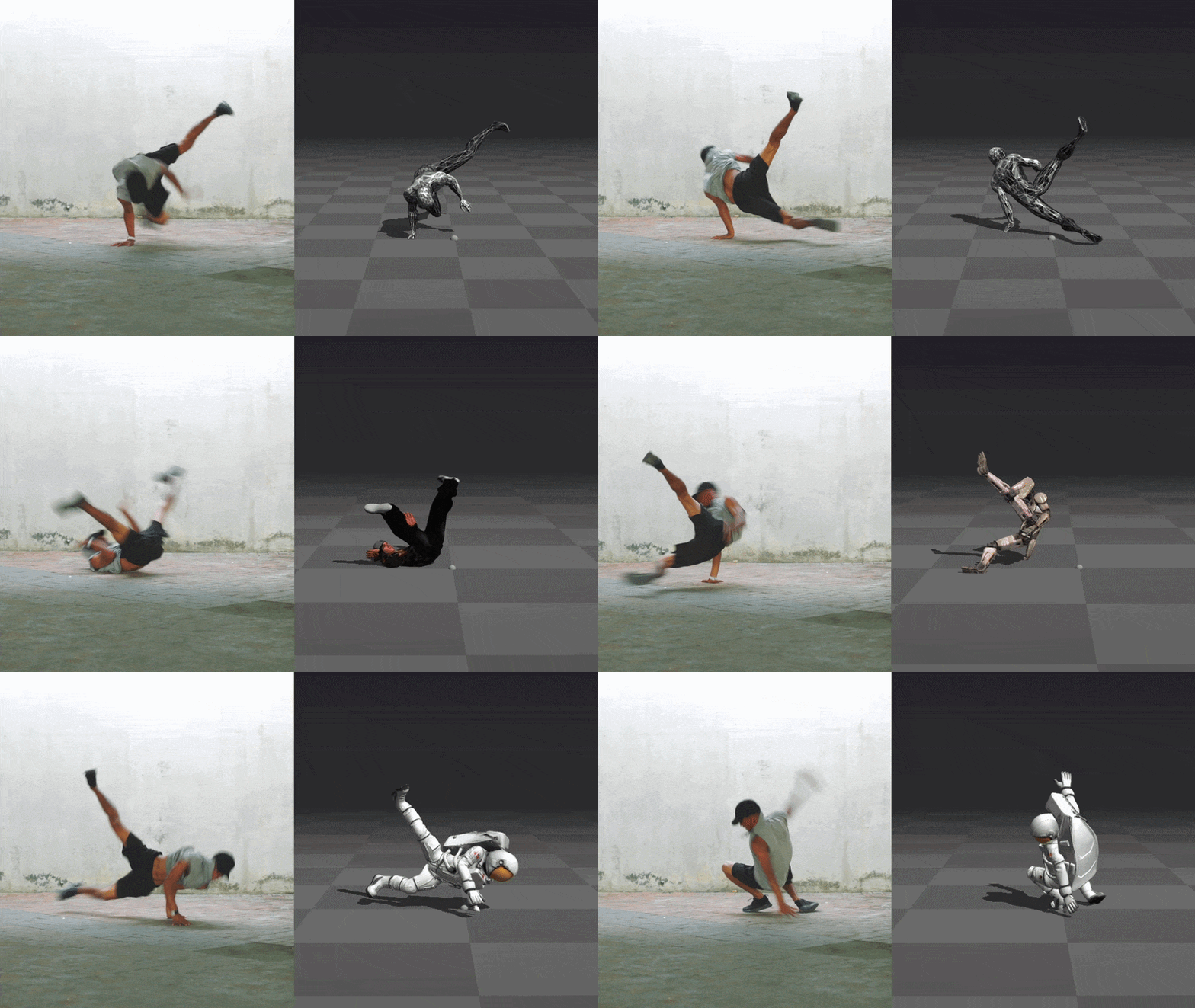
Once you've captured motion, applying it to your character should be the easy part. Video-to-motion 2.0 makes retargeting straightforward regardless of your character's proportions or rig setup. Upload your character, apply the motion, and you're working.
Video-to-Motion 2.0 is also available via our API, so you can integrate it directly into your existing pipeline.
Start generating motion today, or work with us on a custom dataset, embodiment system, or simulation program.